
Wardrobe · 7 min read
Sarees for the Boardroom: How to Wear One to Work Without It Feeling Like a Costume
There's a particular kind of hesitation many women describe when they think about wearing a saree to work. Not because they don't love it — most of us grew up watching our mothers and grandmothers move through their days in six yards of fabric like it was nothing. The hesitation is newer. It's the fear of looking like you're dressed for a wedding when you're actually walking into a 10 a.m. stand-up.
The truth is, a saree can be one of the most quietly powerful things you wear into a boardroom — if you choose the right weave, drape it the right way, and stop treating it like an occasion-only garment. Here's how.
Start with the fabric, not the color
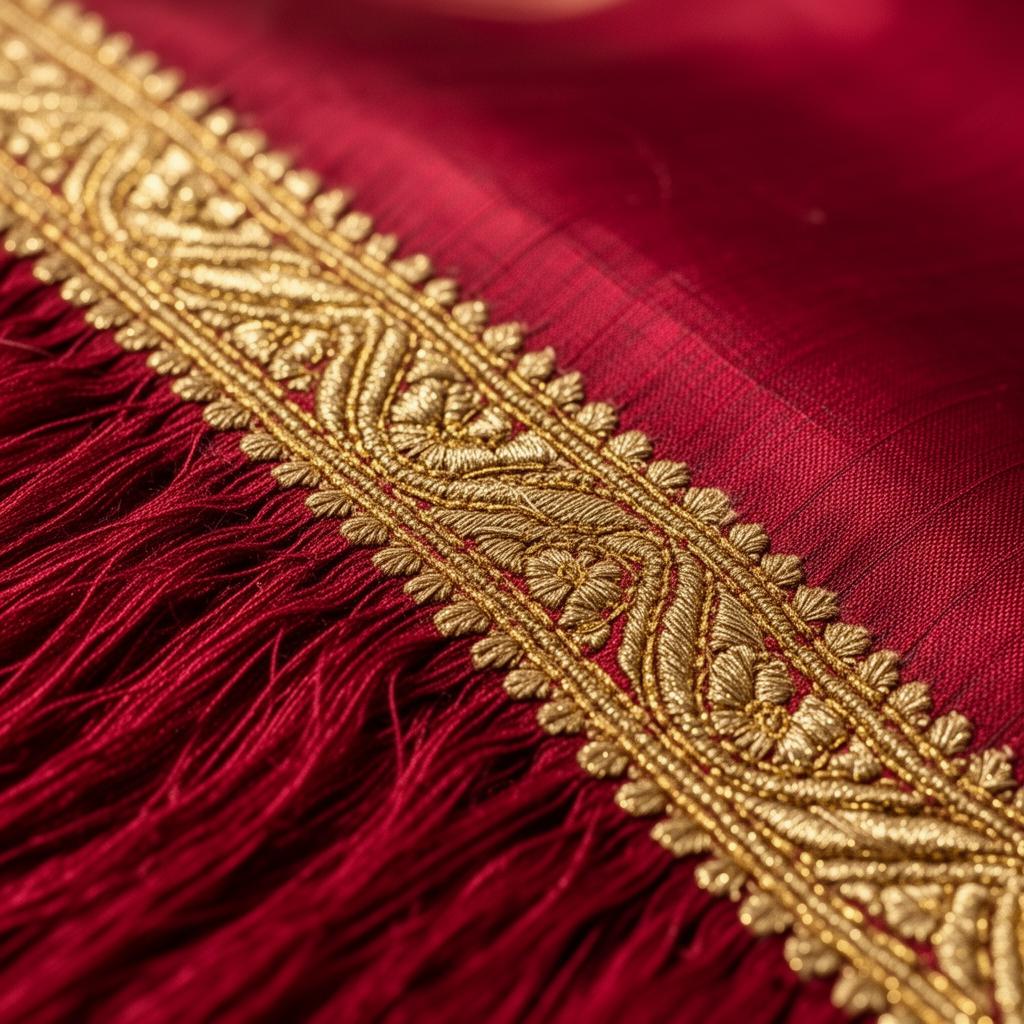
The single biggest mistake in office sarees is picking something too heavy, too shiny, or too ornate for a workday. Save the heavy Banarasi silks and the bold zari borders for evenings and celebrations. For work, look for:
- Mulmul — soft, breathable cotton with a matte finish that photographs and moves beautifully without shouting for attention
- Chanderi — lightweight, with just a whisper of sheen, striking the balance between "put-together" and "trying too hard"
- Linen — increasingly popular for women who want structure and a slightly crisp, tailored look, closer to how a blazer falls than how a party saree drapes
These weaves read as intentional and modern rather than festive, which is exactly the register a boardroom calls for.
The drape matters more than the saree itself
Even a beautiful saree can look overdone in the wrong drape. For work, keep the pallu simple — a single clean pleat over the shoulder, pinned so it doesn't need constant adjusting through a long meeting day. Skip the elaborate pre-draped or heavily pleated styles; they read as bridal-adjacent, not professional.
A well-fitted blouse does more work here than people expect. A structured, well-tailored blouse — think closer to a well-cut shirt than a traditional embellished blouse — instantly shifts the whole look from "festive" to "considered."
Color psychology, briefly
Deep, grounded tones — a slate blue-grey Mulmul, an olive or muted rust Chanderi, an ink-black linen — tend to read as authoritative without trying. Save the bright jewel tones and metallics for evening events. This isn't about dulling yourself down; it's about letting the fabric and cut do the talking instead of the color.
Accessories: less is more
One statement piece, not five. A single pair of well-chosen earrings, or one structured bag, does more for a work look than a full traditional jewellery set. The goal is a saree that feels like part of a considered, professional wardrobe — not a costume borrowed for the day.
Why this matters beyond fashion
There's something quietly radical about choosing to show up to work in a saree in a culture that still, in many offices, defaults to Western formalwear as the "serious" choice. Wearing a saree well to work isn't about proving a point — it's about refusing to see the two as mutually exclusive. Sarees with a spine, as we like to say, are for exactly this: women who don't see why "traditional" and "professional" should be different wardrobes.
A few pieces we'd start with
If you're building your first work-appropriate saree, a soft-textured Mulmul or a lightweight Chanderi in a grounded neutral is the easiest place to start — versatile enough to move from a client meeting to dinner after, without a costume change. Browse the full collections to see what's on the shelf this week.
still deciding?
Want help picking the right piece for your build?
We're always happy to talk fabric, drape, and what'll actually work for your day.
DM us on WhatsApp